
LNG Supply Surge by 2030: Will Buyers Finally See Lower Costs?
Published on 04 Nov, 2026
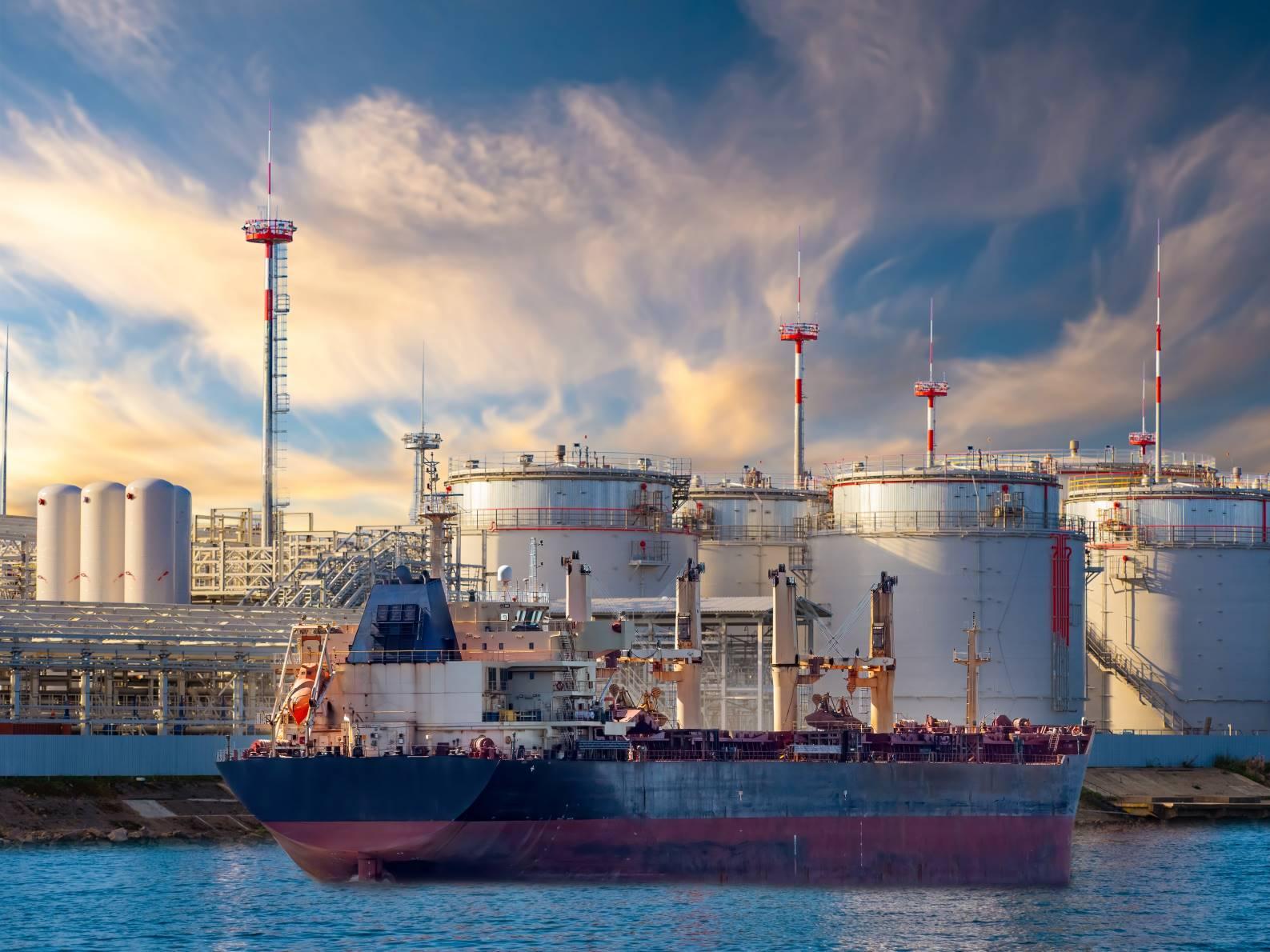
Global LNG markets are entering an unusual transition. Qatar-linked supply disruptions are still keeping spot prices and availability under pressure, even as the largest LNG capacity expansion in market history moves closer. More than 330 bcm per year of new export capacity is expected to come online between 2025 and 2030, with additions peaking around 2028. For procurement leaders, the opportunity is not simply lower gas prices. It is knowing when changing LNG economics should begin to alter supplier costs, sourcing competitiveness, and contract positions.
2027 Could be the Year of Two LNG Markets
One of the clearest signals of today's tight market is coming from an unexpected buyer. QatarEnergy, one of the world's largest LNG exporters, has been sourcing US cargoes while disruption limits Gulf deliveries. Force majeure on selected European and South Asian deliveries has also been extended through December 2026.
For buyers, the contradiction matters. New supply is arriving, but the immediate market is still shaped by disrupted Gulf exports, winter demand, low inventories in parts of Europe, and competition for flexible cargoes. Asian LNG imports were still expected to rise in October despite spot prices near four-year highs.
The implication is that 2027 should not be treated as an automatic relief year. The International Energy Agency expects the impact of current Middle East disruptions to remain concentrated through 2026 and 2027, delaying part of the easing that had previously been expected from new capacity.
The Market Could Change More Meaningfully from 2028
Behind the near-term disruption is a much larger structural shift. The IEA expects more than 330 bcm per year of new LNG export capacity to come online between 2025 and 2030 from projects already under construction at the start of 2025. Annual additions are expected to increase from around 30 bcm in 2025 to roughly 90 bcm in 2028 before moderating in 2029 and 2030.
If projects ramp up broadly as scheduled, negotiating power could begin to shift. More export capacity should improve cargo availability, increase supplier competition, and reduce the scarcity premium that has shaped LNG procurement during repeated disruptions.
But the shift will not happen on one date. The IEA estimates that recent Middle East disruptions could remove about 140 bcm of cumulative LNG supply over 2026-2030. That means part of the new capacity will initially replace lost supply rather than create an immediate surplus.
Lower LNG Prices Will Not Reach Every Buyer at Same Speed
A better supplied LNG market will not create the same industrial cost outcome everywhere. The transmission path depends on infrastructure, storage, pipeline connectivity, power-market design, and contract structures.
A manufacturer exposed to European hub prices may experience a different reset from a supplier on oil-linked contracts in Asia. Markets with flexible import capacity and multiple supply routes may capture lower-cost cargoes faster, while infrastructure-constrained regions can remain expensive.
This distinction matters for procurement because natural gas is often embedded several steps upstream. Chemicals, fertilizers, glass, ceramics, metals, paper, packaging, and food processing can all carry gas or power exposure in their conversion costs. The relevant question is therefore not only whether LNG prices decline, but whether the supplier's actual regional cost base declines with them.
First Opportunity May Be in Supplier Pricing, Not Gas Contracts
Many companies will not purchase LNG directly, yet they can still benefit from changing gas-market economics. The first opportunity may appear in supplier negotiations where energy surcharges, indexation, or conversion-cost assumptions were set during a tighter market.
Procurement teams should identify categories where natural gas, electricity, steam, ammonia, or other gas-linked inputs represent a meaningful share of cost. As market conditions evolve, supplier requests should be tested against the relevant regional benchmark, the supplier's contract structure, the agreed baseline period, and any productivity or efficiency changes. A falling benchmark should matter just as much as a rising one.
The same logic applies to sourcing. A region that appears expensive today could become more competitive if energy costs normalize, while locations with limited import infrastructure may retain a premium. By 2028-2030, energy economics could reshape both purchase prices and manufacturing-location competitiveness.
Three Signals will Show Whether the Cost Reset is Real
- Project execution: Delays at major liquefaction projects would push additional supply further out and preserve market tightness.
- Regional price convergence: Sustained moderation in European and Asian benchmarks would indicate that new LNG availability is translating into end-market competition rather than being absorbed immediately by demand or disruption.
- Supplier pass-through: Energy-intensive suppliers should show how gas-market movements affect actual conversion costs. If LNG availability improves but pricing remains anchored to disruption-era assumptions, procurement teams will need stronger should-cost evidence and clearer indexation mechanisms.
For buyers, the objective is not to forecast the exact gas price in 2028. It is to ensure that contracts, budgets, and sourcing models can respond when the market changes.
Conclusion: Do Not Carry Today's Risk Premium into Tomorrow's Contracts
The LNG market is moving toward a major supply expansion, but the transition will be uneven. 2027 may still reflect the impact of current disruptions, while the larger capacity wave expected from 2028 could gradually improve availability and strengthen buyer leverage.
That creates a practical procurement window. Buyers can use 2027 to map energy exposure, revisit supplier cost assumptions, review indexation, and reassess regional sourcing economics before the supply picture changes materially.
The opportunity is not simply to wait for lower LNG prices. It is to prevent today's scarcity assumptions from remaining embedded in supplier contracts after the underlying market has moved.
