
The US-EU CSRD Standoff: What Companies Should Do Now
Published on 02 Sep, 2026
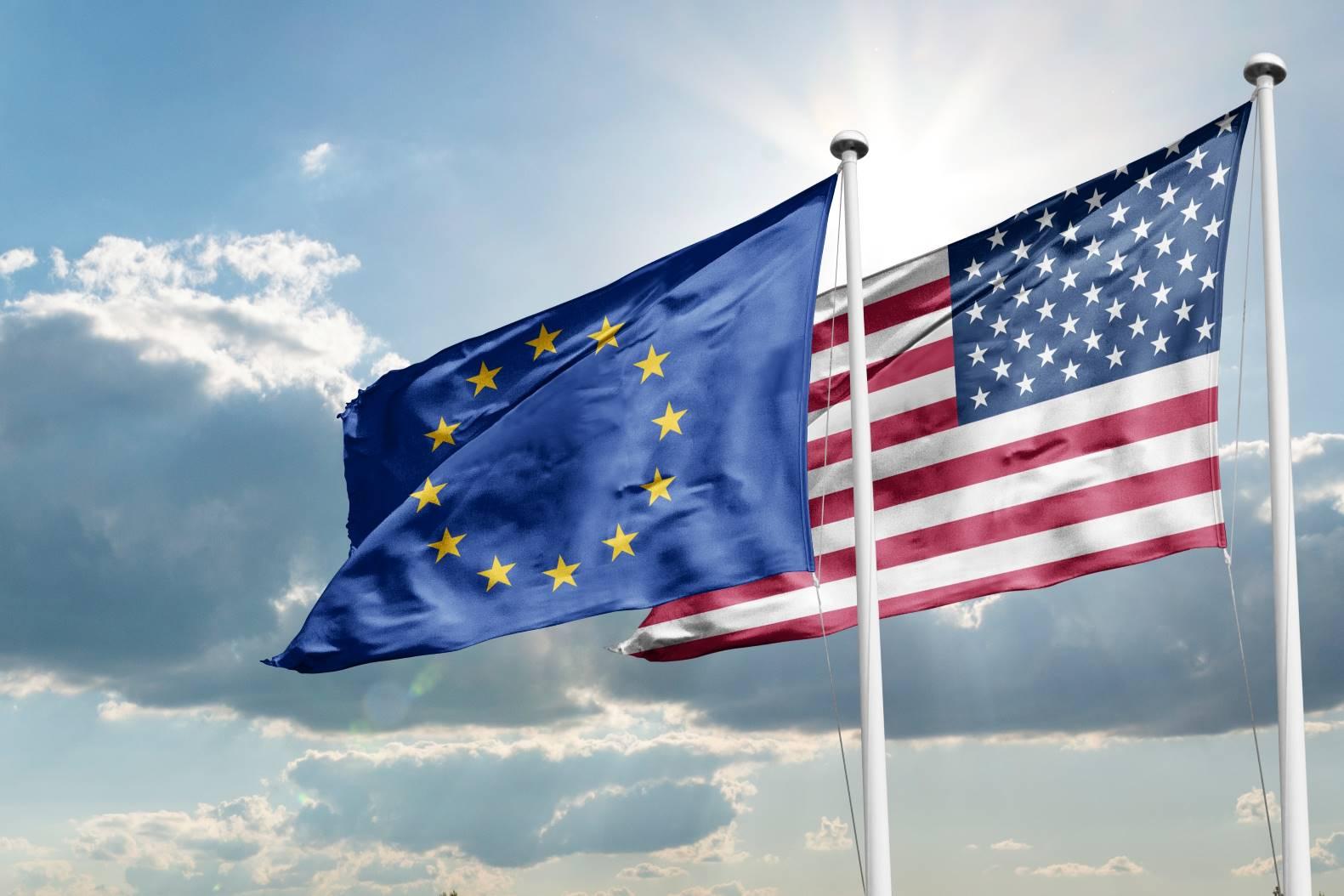
The US government has formally threatened to take trade action to protect American companies from what it describes as "unreasonable" EU sustainability reporting requirements, specifically targeting CSRD and related EU disclosure obligations. The statement is the most direct political confrontation between the two largest trading blocs over ESG regulation to date. It will generate significant coverage, significant corporate anxiety, and in some boardrooms, significant relief.
That relief would be a mistake.
What Was Actually Said
The US position is that mandatory EU sustainability reporting requirements imposed on American companies constitute an unreasonable trade barrier, and that Washington is prepared to use trade policy instruments to push back. The language is deliberate and escalatory.
But read carefully, the statement is a political signal directed at Brussels, not a legal instrument that changes anything for companies operating in the EU market today. No exemption has been granted. No deadline has been extended. No carve-out for US-headquartered companies has been created or proposed. CSRD, the EU Taxonomy, and related reporting obligations remain in force, on their existing timelines, for every company within their scope, including American ones.
The distinction between a political confrontation and a regulatory change matters enormously for how companies respond. Conflating the two is how compliance programmes get deprioritised at exactly the wrong moment.
Why the EU is Unlikely to Blink
The EU's sustainability reporting architecture is the product of a decade of legislative development, multiple rounds of stakeholder consultation, and formal adoption through its own democratic processes. Dismantling or substantially modifying it in response to US trade pressure would require reopening legislative processes that took years to complete and would face significant internal opposition.
The EU also has significant leverage in this dispute. The US exports more than $350 billion in goods and services to the EU annually. American multinationals have deep operational and financial exposure to EU markets, EU investors, and EU supply chains. The EU has demonstrated repeatedly that it is willing to absorb short-term economic friction to defend regulatory positions it considers foundational.
None of this means the dispute is irrelevant. A sustained confrontation could produce negotiated modifications to specific requirements over time. But these are medium-term diplomatic outcomes that will take years to materialise. They are not a reason for any company to slow its compliance work today.
Specific Trap for US Multinationals
Many US multinationals have spent the past 18 months in a state of compliance ambivalence. The anti-ESG political environment domestically, the SEC rollback of climate disclosure rules, and now this trade confrontation have created a cumulative narrative that ESG regulation is retreating and that investment in CSRD readiness can be safely deprioritised.
That narrative is wrong, and acting on it has a compounding cost. Every quarter a company delays building its CSRD data infrastructure is a quarter closer to a reporting deadline without the capability to meet it. The companies that paused their compliance programmes in 2025 are now 18 months behind, facing obligations that have not moved, with less time and higher cost to catch up. Companies pausing now will be in the same position in 2027.
What This Changes and What It Doesn't
To be precise: the US trade confrontation changes the political context, adding uncertainty and giving internal stakeholders who want to slow ESG investment another argument to deploy. It may, over time, influence the shape of specific requirements for non-EU parent companies with limited EU presence.
It does not change the in-scope population for current CSRD obligations. It does not change reporting timelines. It does not change the ESRS disclosure requirements. And it does not change the reality that EU institutional investors, EU corporate buyers, and EU regulators will continue to expect sustainability data from their counterparties regardless of what Washington says.
The Question Boards Should Actually Be Asking
The more useful question is not "does this trade dispute give us permission to pause?" It is "what does our compliance strategy look like if this produces nothing, if it produces partial modifications in two or three years, and if it produces significant changes?"
The scenario where nothing changes demands the most preparation and has the shortest timeline. Preparing for it first does not foreclose adapting if diplomatic relief arrives. Waiting for relief that may not come does foreclose the ability to comply on time if it doesn't.
The companies that have treated CSRD compliance as a strategic capability are not just managing regulatory risk. They are building something that generates value independently: better supply chain visibility, more credible investor communications, clearer understanding of climate risk exposure. A trade dispute does not make any of those things less valuable.
How Aranca Can Help
Aranca's ESG Strategy, Reporting and Compliance solution helps companies build reporting infrastructure designed for the most demanding standard they face, not calibrated to the current political noise. Whether you are assessing your CSRD scope, building your double materiality assessment, or designing a reporting architecture that works across jurisdictions, we help you move forward with clarity while others are waiting for a diplomatic outcome that may never arrive.