

Aranca for Sustainability Data and Digital Solutions
As obligations multiply under CSRD, ISSB and TCFD, organizations managing sustainability as a continuously monitored capability are pulling ahead of those treating it as an annual exercise. The infrastructure behind your programme matters as much as the strategy. We centralize sustainability data, automate carbon accounting and turn fragmented data into real-time intelligence your leadership team can act on.
ESG data infrastructure designed for assurance readiness from day one
Our ESG Digital Ecosystem is built with audit-ready data controls, full data lineage tracking and version control as foundational architecture, not retrospective additions.
Domain expertise behind every digital solution
Every solution is backed by specialist teams across climate technology, sustainability strategy, ESG reporting and sustainable finance, ensuring intelligence is contextualised, not generic.
Integrated intelligence platforms built on proprietary project-level data
Our energy transition intelligence platforms combine proprietary databases with AI-driven analytics to deliver continuously updated insights, trend forecasting and real-time market intelligence.
AI and GenAI capability applied to high-value sustainability workflows
We apply AI and GenAI to automate emissions calculations, Scope 3 mapping, disclosure-ready reporting and data quality checks, reducing reporting effort while improving accuracy.
Sustainability Data, Analytics and Digital Solutions for Every Stage of the ESG Journey
Our four solution areas cover the full spectrum of sustainability data needs, from carbon accounting automation and ESG performance analytics through to proprietary intelligence platforms for low-carbon technology sectors and custom visualization solutions built for your specific reporting audiences.
Carbon Accounting Automation and ESG Data Management
Replace fragmented spreadsheets and manual consolidation processes with an integrated, audit-ready data infrastructure that automates GHG calculations, streamlines multi-framework reporting and produces the verified emissions data your investors, regulators and auditors require.
- Automated carbon accounting across Scope 1, 2 and 3.
- Multi-framework ESG reporting from a single data layer.
- Value chain and supplier data management.
- Audit-ready data controls, lineage tracking and assurance readiness infrastructure.
Insights from our Industry Experts
Built by global experts, our insights are grounded in evidence and real world experience, helping you stay ahead.

Hydrogen Economy - Are Liquid Hydrogen Carriers the answer?
Hydrogen, despite being the smallest and the lightest of all elements, is difficult to transport. Amid its rising popularity as an alternative fuel, the logistics of delivery and storage pose a concern.

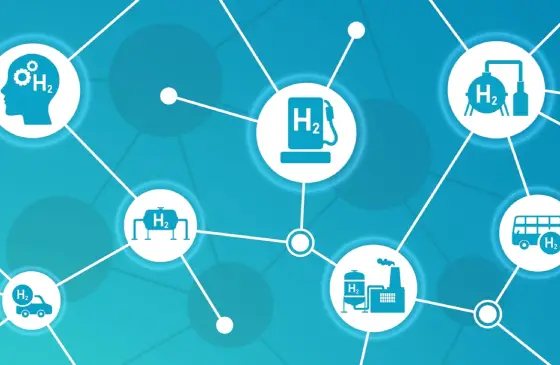
Hydrogen Economy - Prospects and Challenges
Climate change is a reality, necessitating the quick adoption of low carbon and renewable sources of energy. Hydrogen is one such source of clean energy which has the potential to transform industries.

Hydrogen Storage in Solid State
The adverse effect of climate change has become more widespread in recent years. One of the main solutions to control this disaster is to shift focus toward clean sources of energy such as hydrogen.
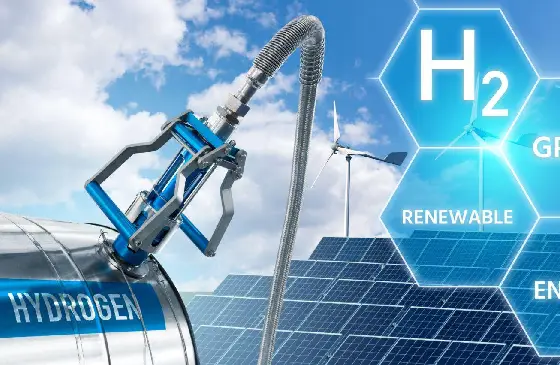
Green Hydrogen in Circular Economy
The urgent need to reduce greenhouse gas emissions has prompted countries worldwide to commit to net-zero targets, driving the rapid adoption of low-carbon and renewable energy sources.

Green Steel: How one of the world's most emission intensive industry plans to decarbonize
Steel is the backbone of societies, buildings, equipment and infrastructure across the globe. It is used in the manufacturing of a range of products, from cars and machines to construction materials for our offices and homes, thereby forming a critical element of contemporary life.
Why is sustainability data management becoming a strategic priority and not just an IT issue?
Because the accuracy, reliability and traceability of sustainability data now directly affects financial outcomes. Under CSRD, inaccurate ESG data is a regulatory compliance issue, not a reporting imperfection. Under IFRS S2, sustainability disclosures sit alongside financial statements and are subject to the same audit standards. Investors are making capital allocation decisions based on verified ESG data quality scores.
The organizations treating sustainability data as a strategic capability, with the same rigour they apply to financial data, are the ones whose disclosures hold up under scrutiny, whose reporting cycles take weeks rather than months and whose sustainability programmes generate real performance insight rather than retrospective measurement.
What is the difference between carbon accounting software and an ESG data management platform?
Carbon accounting software focuses specifically on the calculation and tracking of greenhouse gas emissions, typically covering Scope 1 and 2 and sometimes Scope 3, using recognized methodologies like the GHG Protocol. An ESG data management platform covers the broader sustainability data landscape: emissions data, social metrics, governance indicators, supply chain data, regulatory compliance tracking, multi-framework reporting outputs and audit trail controls.
The most functional ESG data infrastructure combines both, with rigorous automated carbon accounting at the core and a broader data management and reporting layer built around it. Organizations that implement carbon accounting tools in isolation frequently find they cannot connect emissions data to other ESG metrics or produce the multi-framework outputs their reporting obligations require.
How does AI improve sustainability data management and reporting?
AI improves sustainability data management by automating emissions calculations across large complex datasets where manual processing introduces errors and delays, by mapping Scope 3 data across supplier networks where primary data is incomplete, by identifying data quality anomalies before they reach the disclosure stage, and by generating draft framework-aligned narrative disclosures that sustainability teams can review and refine rather than draft from scratch.
The key principle is applying AI to specific, well-defined workflows where the improvement in speed and accuracy is measurable, rather than applying it indiscriminately across all sustainability processes.
What does assurance-ready sustainability data infrastructure look like in practice?
Assurance-ready data infrastructure has three core characteristics. First, full data lineage, meaning every reported figure can be traced back to its source data through a documented calculation chain. Second, version control, meaning changes to reported data are tracked and justified with documented rationale. Third, internal review controls, meaning a systematic process for reviewing data quality before it reaches the disclosure stage.
In practice, this means moving away from spreadsheet-based consolidation toward a centralized data platform where every data input, calculation step and output is logged and retrievable. Organizations that build this infrastructure before their first assurance engagement typically find the process straightforward. Those that try to retrofit it typically face significant remediation effort.
How do sustainability intelligence platforms differ from standard market research subscriptions?
Standard market research subscriptions provide periodic reports on market dynamics, typically updated quarterly or annually. Sustainability intelligence platforms for low-carbon technology sectors provide continuously updated, project-level data, tracking specific projects through development, financing and deployment stages, processed through AI models that identify trends, cost curve movements and competitive dynamics as they happen.
For organizations making investment, procurement or strategy decisions in sectors like green hydrogen, CCUS or renewable energy, the difference is the difference between making a decision based on where the market was six months ago and making it based on where it is today. In markets that move as fast as the energy transition, that distinction is commercially material.
Frequently Asked Questions About Sustainability Data, Analytics and Digital Solutions
For quick answers, visit our FAQ section. Can't find what you need? Contact our support team.

Let's Talk About Your Business Needs
Get In Touch
Have a project in mind or exploring support options? Share a few details and our team will connect with you to discuss requirements, timelines, and how we can help.

Send E-Mail

Send Us a Message

