

Aranca for Net Zero and Decarbonization Advisory
Investors are demanding science-aligned targets. Supply chains are excluding suppliers who cannot show measurable progress. Regulators require transition plan disclosures with financial impact quantification. Organizations that cannot answer these questions with rigour face valuation pressure and supply chain exclusion. We help you measure emissions, identify the best reduction levers and build a roadmap that holds up under scrutiny.
Decarbonization pathways informed by real-time climate technology intelligence
Our climate technology practice covers green hydrogen, CCUS, nuclear, storage and renewables in real time, ensuring technology choices reflect current deployment reality.
End-to-end advisory across the full decarbonization lifecycle
From emissions measurement and supplier engagement through to target setting and transition planning, with no handoffs between separate practices or firms.
Sector expertise that reflects real operational and commercial complexity
Sector-focused teams bring contextual understanding of technology pathways, regulatory pressures and cost structures specific to your business environment.
Climate ambition connected directly to capital allocation decisions
We connect climate objectives with capital planning, helping organizations prioritize investments and sequence capital expenditure for practical execution.
Net Zero and Decarbonization Solutions Across Scope 1, 2 and 3
Our five solution areas address every dimension of the decarbonization challenge. We start by establishing the emissions baseline and identifying reduction levers, move through product and process redesign and value chain engagement, and finish with the science-aligned roadmap that brings it all together.
Scope 1 and 2 Emissions Inventory and Decarbonization Levers
Establish an auditable baseline of your operational emissions and identify, prioritize and sequence the reduction levers with the greatest impact and most attractive cost economics.
- GHG emissions inventory development aligned with GHG Protocol.
- Scope 1 and 2 baseline assessment.
- Carbon reduction levers identification and cost-curve analysis.
- Internal carbon pricing design.
Insights from our Industry Experts
Built by global experts, our insights are grounded in evidence and real world experience, helping you stay ahead.
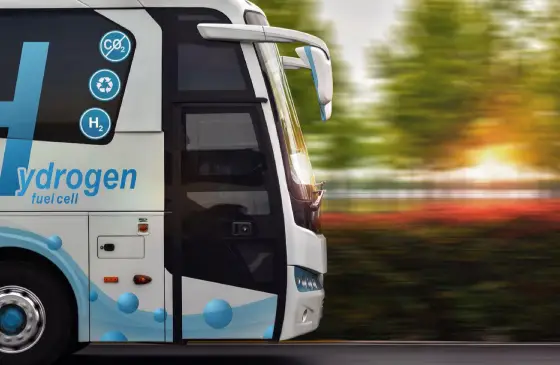
Hydrogen Economy - Are Liquid Hydrogen Carriers the answer?
Hydrogen, despite being the smallest and the lightest of all elements, is difficult to transport. Amid its rising popularity as an alternative fuel, the logistics of delivery and storage pose a concern.

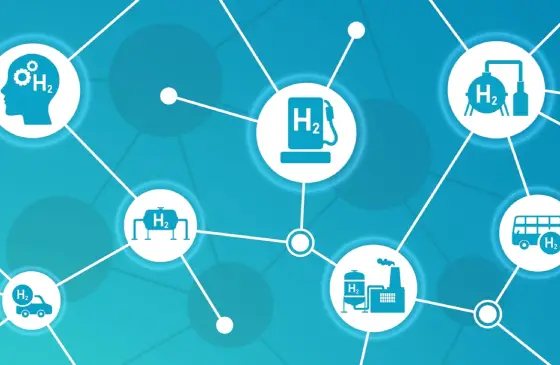
Hydrogen Economy - Prospects and Challenges
Climate change is a reality, necessitating the quick adoption of low carbon and renewable sources of energy. Hydrogen is one such source of clean energy which has the potential to transform industries.

Hydrogen Storage in Solid State
The adverse effect of climate change has become more widespread in recent years. One of the main solutions to control this disaster is to shift focus toward clean sources of energy such as hydrogen.
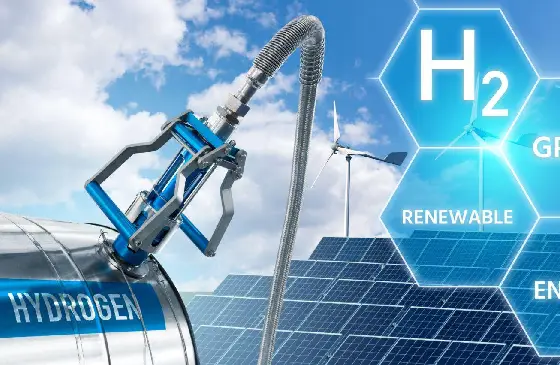
Green Hydrogen in Circular Economy
The urgent need to reduce greenhouse gas emissions has prompted countries worldwide to commit to net-zero targets, driving the rapid adoption of low-carbon and renewable energy sources.

Green Steel: How one of the world's most emission intensive industry plans to decarbonize
Steel is the backbone of societies, buildings, equipment and infrastructure across the globe. It is used in the manufacturing of a range of products, from cars and machines to construction materials for our offices and homes, thereby forming a critical element of contemporary life.
What is the difference between a net zero target and a science-based target?
A net zero target is a commitment to reach net zero greenhouse gas emissions by a specified date, typically 2050. A science-based target is a specific, near-term emissions reduction target whose ambition level is defined by what climate science says is required to limit global warming to 1.5 degrees Celsius, validated by the Science Based Targets initiative against established criteria.
A net zero strategy built on science-based targets is significantly more credible with investors, regulators and supply chain partners than one based on self-defined ambition levels. The difference matters when investors are stress-testing transition plans and supply chains are demanding verified evidence.
How do you measure Scope 3 emissions and why does it matter?
Scope 3 emissions cover all indirect emissions in a company's value chain, upstream in purchased goods and services, capital goods and logistics, and downstream in the use of sold products, end-of-life treatment and customer transportation. For most companies, Scope 3 represents the largest share of total emissions, often 70 to 90 percent.
Measurement requires a combination of spend-based estimation and, increasingly, primary supplier data collection. It matters because investors and regulators require it, supply chain partners are demanding verified data, and it is increasingly the basis on which net zero commitments are assessed for credibility.
How long does it take to develop a net zero roadmap?
A full net zero roadmap covering Scope 1, 2 and 3 typically takes three to five months from engagement start to final deliverable. This includes emissions inventory development, reduction lever analysis, target-setting aligned with SBTi criteria, financial modelling of the capital expenditure required and governance framework design.
For organizations with existing partial emissions data, the timeline can be compressed. For those with highly complex value chains or operations across multiple geographies, it may be extended. We scope every engagement based on the specific starting point and decision timeline.
What does an internal carbon price do and should our organization have one?
An internal carbon price assigns a monetary cost to greenhouse gas emissions within an organization, either as a shadow price used to evaluate investments and business decisions or as a direct charge on business units whose activities generate emissions. It makes the financial cost of carbon visible in decision-making before external carbon pricing mechanisms impose it.
Most organizations with serious net zero strategies operate some form of internal carbon price. The appropriate level depends on the regulatory environment, the organization's decarbonization ambition and the time horizon over which carbon pricing is expected to affect operating costs.
How does a circular economy strategy contribute to net zero goals?
Circular economy strategies contribute to net zero by reducing emissions associated with raw material extraction and processing, extending product and component lifespans, recovering embedded carbon from waste streams and reducing the energy intensity of production through materials efficiency.
For many organizations in manufacturing, packaging and consumer goods, circular economy initiatives are among the most cost-effective decarbonization levers available, generating input cost savings and waste reduction benefits alongside measurable emissions reductions.
Frequently Asked Questions About Net Zero Strategy and Decarbonization
For quick answers, visit our FAQ section. Can't find what you need? Contact our support team.

Let's Talk About Your Business Needs
Get In Touch
Have a project in mind or exploring support options? Share a few details and our team will connect with you to discuss requirements, timelines, and how we can help.

Send E-Mail

Send Us a Message

