

Aranca for Climate Technology Advisory
Hydrogen, CCUS, nuclear, renewables, battery storage and alternative fuels are being deployed at scale and reshaping every energy-intensive industry. The challenge is no longer access to information. It is knowing which technologies are commercially ready for your situation, which partners are worth pursuing and how you build a strategy that holds up. We help you decide with confidence.
Proprietary project-level intelligence across every major low-carbon technology
Live project databases across green hydrogen, CCUS, renewables and nuclear keep technology strategy grounded in current deployment data, not outdated secondary reports.
Dedicated research depth across the entire low-carbon technology spectrum
Specialist practices across every major technology, each backed by primary research infrastructure, proprietary databases and domain specialists with consistent analytical rigour.
Demand-side intelligence integrated into every technology assessment
Our VOC research and offtaker mapping identify the industrial players and offtake structures that determine whether projects are financeable at scale.
Market intelligence spanning 100 countries and every major deployment jurisdiction
On-ground intelligence networks ensure every technology strategy recommendation reflects local cost structures, regulatory incentives and infrastructure readiness that determine project viability.
Low-Carbon Technology Solutions Across the Full Energy Transition Spectrum
Our practice covers every major low-carbon technology from the commercially mature to those approaching scale. Each solution area is supported by dedicated specialist teams, proprietary project databases and primary research capability.
Green Hydrogen and Derivatives
Navigate the entire green hydrogen value chain from production economics and technology selection through to offtaker strategy, derivatives including ammonia and methanol, and commercial partnership structuring. Whether you are a producer, offtaker, investor or policymaker, we give you the market intelligence and commercial rigour to move with confidence.
- Technology provider mapping and comparative assessment.
- Peer landscape benchmarking.
- Offtaker and customer mapping.
- Voice of Customer analysis across the value chain.
- Cost optimization and financial sustainability modelling.
- Regulatory impact and policy environment assessment.
- M&A screening and investment advisory.
- Green hydrogen projects database.
Insights from our Industry Experts
Built by global experts, our insights are grounded in evidence and real world experience, helping you stay ahead.
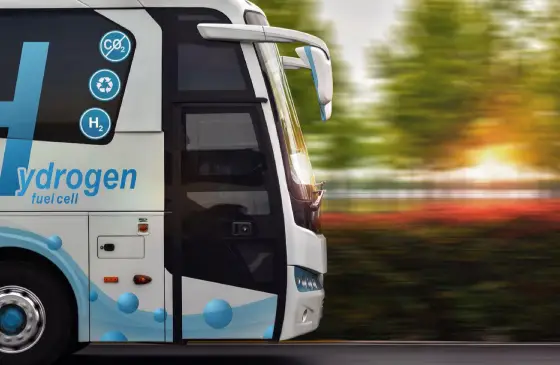
Hydrogen Economy - Are Liquid Hydrogen Carriers the answer?
Hydrogen, despite being the smallest and the lightest of all elements, is difficult to transport. Amid its rising popularity as an alternative fuel, the logistics of delivery and storage pose a concern.

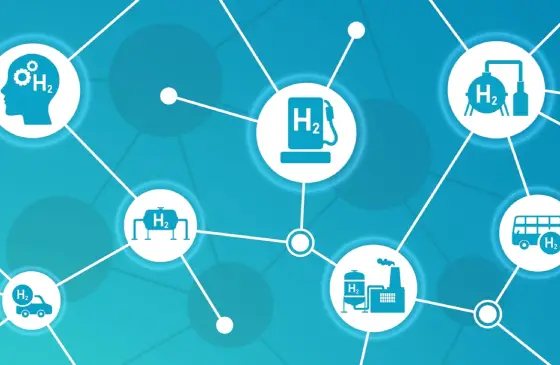
Hydrogen Economy - Prospects and Challenges
Climate change is a reality, necessitating the quick adoption of low carbon and renewable sources of energy. Hydrogen is one such source of clean energy which has the potential to transform industries.
Hydrogen Storage in Solid State
The adverse effect of climate change has become more widespread in recent years. One of the main solutions to control this disaster is to shift focus toward clean sources of energy such as hydrogen.
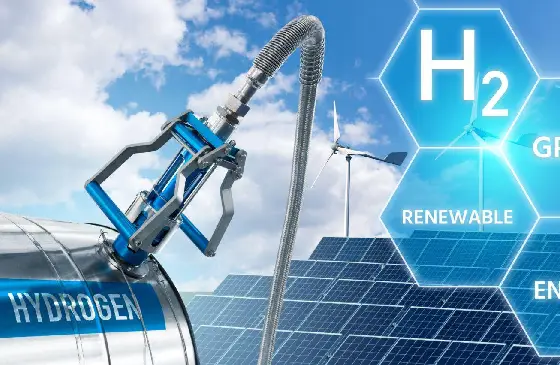
Green Hydrogen in Circular Economy
The urgent need to reduce greenhouse gas emissions has prompted countries worldwide to commit to net-zero targets, driving the rapid adoption of low-carbon and renewable energy sources.
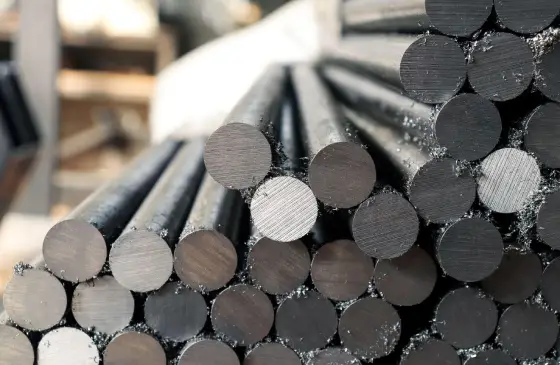
Green Steel: How one of the world's most emission intensive industry plans to decarbonize
Steel is the backbone of societies, buildings, equipment and infrastructure across the globe. It is used in the manufacturing of a range of products, from cars and machines to construction materials for our offices and homes, thereby forming a critical element of contemporary life.
How do you assess whether a low-carbon technology is commercially ready for investment?
Commercial readiness assessment requires evaluating technology maturity against recognized readiness levels, current cost curves relative to competing technologies, available offtake structures and the creditworthiness of offtakers willing to contract at current economics, the regulatory and subsidy environment in target geographies, and the availability of credible project developers with demonstrated deployment track records.
We assess all of these factors using proprietary project-level data and primary research. It is the only way to get an accurate picture of where each technology actually is in a given geography at a given moment.
What is the difference between green, blue and grey hydrogen and why does it matter for investment?
Grey hydrogen is produced from natural gas without carbon capture, making it the most carbon-intensive and currently cheapest form. Blue hydrogen uses the same process but captures the CO2 emissions. Green hydrogen is produced by electrolysers powered by renewable electricity, with no direct carbon emissions.
The cost of green hydrogen is currently higher in most geographies, but declining electrolyser costs and rising carbon pricing are shifting the economics. Investment decisions hinge on the speed of cost convergence in the specific geography and application being evaluated.
What are the key commercial risks in a CCUS project and how do you model them?
The key commercial risks include technology performance risk at scale, the availability and cost of CO2 transport and permanent storage infrastructure, the long-term durability of carbon pricing and subsidy frameworks, and offtake risk for utilisation products. Our CCUS assessments address each category explicitly, with financial modelling across a range of carbon price and policy scenarios.
The most common gap we see is assessments that assume technology performance at commercial scale matches performance at pilot scale. That assumption is frequently wrong and materially affects project economics.
Which low-carbon technologies are most relevant for hard-to-abate sectors?
Hard-to-abate sectors including cement, steel, chemicals, aviation, shipping and heavy industry face decarbonization challenges that electrification alone cannot fully solve. The most relevant technologies vary by sector but typically include green hydrogen and derivatives for high-temperature industrial processes, CCUS for point-source emissions, sustainable aviation fuels and green ammonia for transport.
We assess technology relevance by sector, modelling the cost, availability and timeline for each option against the specific decarbonization challenge the client is facing, rather than applying a generic technology hierarchy.
How do you support investment decisions in low-carbon technology projects?
We support the full investment decision cycle from initial technology and market screening through to commercial due diligence, partner assessment, financial modelling and deal structuring. Our investment advisory integrates technology intelligence, demand-side analysis and financial rigour into a single assessment framework, ensuring that investment decisions are grounded in current project economics, realistic offtake assumptions and a clear view of the regulatory risks that can materially affect returns.
Frequently Asked Questions About Low-Carbon Climate Technology Advisory
For quick answers, visit our FAQ section. Can't find what you need? Contact our support team.

Let's Talk About Your Business Needs
Get In Touch
Have a project in mind or exploring support options? Share a few details and our team will connect with you to discuss requirements, timelines, and how we can help.

Send E-Mail

Send Us a Message

