
From Chokepoints to Choice: How Hormuz is Reshaping Middle East Trade
Published on 09 Oct, 2026
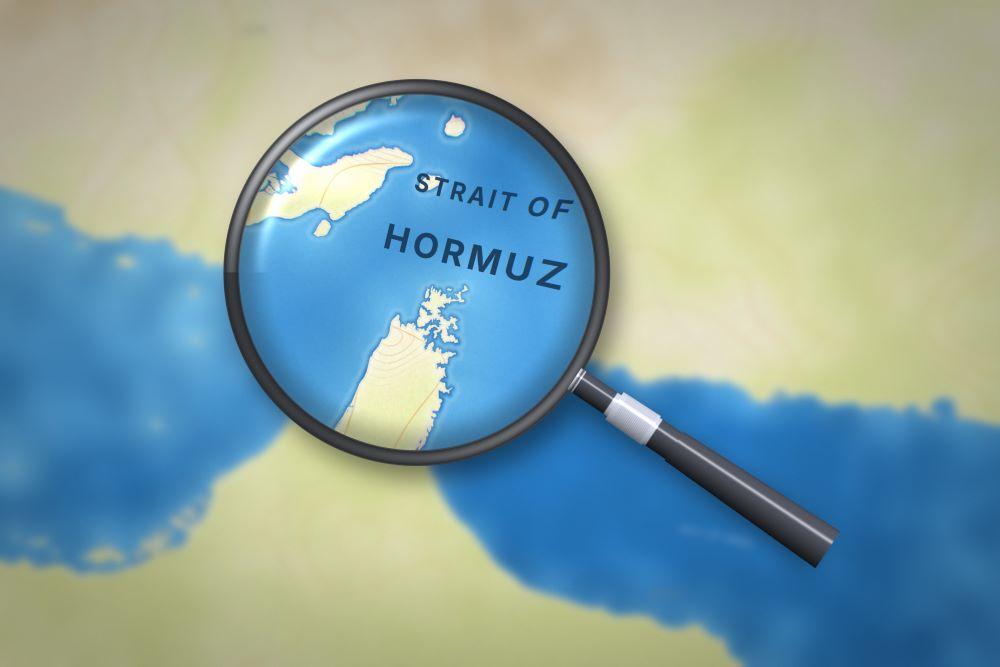
For decades, the Strait of Hormuz has been the backbone of Gulf trade, but the disruption of 2026 has exposed the risks of relying on a single maritime gateway. As businesses turn to alternative ports, road freight and multimodal corridors, a new logistics paradigm is emerging not replacing sea with road but creating enough route flexibility to keep trade moving when the most efficient path is disrupted. From Oman’s Indian Ocean gateways and the UAE’s multimodal hubs to Saudi Arabia’s emerging East–West logistics bridge, trade networks across the Gulf are becoming more diversified. The strategic question is shifting from “What is the alternative when disruption occurs?” to “How many viable routes can we build before it does?”
For decades, Gulf trade has relied heavily on maritime routes through the Strait of Hormuz. The disruption around the chokepoint in 2026 has exposed the vulnerability of that model and accelerated the search for alternatives.
Shipping remains the most economical way to move large volumes over long distances. However, businesses across the Gulf are increasingly using alternative ports, road freight, and multimodal corridors to keep critical goods moving. What began as an emergency response is increasingly creating infrastructure and capabilities that could remain relevant beyond the disruption.
The emerging lesson is clear: the future of Gulf trade may not be about replacing sea freight with road freight but creating enough alternatives to keep trade moving when the most efficient route is no longer available.
From a single gateway to a network
The disruption has shifted attention from individual shipping routes to resilient trade networks. Ports outside Hormuz, including Sohar; Duqm; and Salalah in Oman and Fujairah and Khor Fakkan in the UAE, can provide alternative maritime gateways, with cargo moving inland by road into Saudi Arabia and other GCC markets
Saudi Arabia is strengthening its role as an East–West logistics bridge, connecting Red Sea gateways such as Jeddah and King Abdullah Port with the Eastern Province and wider GCC markets. The UAE is expanding its role as a multimodal hub, while Oman offers an alternative Indian Ocean gateway through ports located outside the Strait.
Road cannot replace sea, but it can strengthen it
The growing role of road freight should not be interpreted as a permanent shift away from maritime transport. Ships provide scale and lower unit costs, while road offers speed, flexibility and regional reach. Rail can provide long-distance inland capacity, while multimodal networks create route optionality.
The opportunity is, therefore, not to move everything from sea to road but to determine which cargo should move through which route under which circumstances. High-value and time-sensitive products may justify road transportation, while bulk and lower-value cargo will continue to favor maritime routes.
From chokepoints to choice
Some emergency trucking capacity may decline if maritime traffic through Hormuz normalizes. However, new cross-border trucking relationships, alternative port connections, inland warehouses, customs arrangements, and multimodal services can continue to create value.
For logistics companies, this opens opportunities across cross-border trucking, warehousing, freight forwarding, multimodal transportation, and digital logistics. For manufacturers and retailers, diversified routes can provide greater supply-chain flexibility and contingency options.
The Strait of Hormuz will remain critical to Gulf trade, and maritime transport will continue to carry the majority of regional cargo. But the strategic priority is changing from finding an alternative after disruption occurs to building multiple viable routes before it happens.
The future of Middle Eastern logistics is, therefore, unlikely to be sea versus road. It is more likely to be sea, road, and rail working together, creating a network where disruption at one chokepoint does not bring the broader supply chain to a standstill.
How Aranca can help
Aranca helps logistics companies, infrastructure players, and investors assess changing trade flows and evolving transportation networks through logistics corridor assessment, infrastructure and supply–demand analysis, competitive benchmarking, and commercial due diligence.
As Gulf trade networks become more diversified, understanding where new corridors, logistics hubs, and distribution requirements are emerging can help businesses identify growth opportunities ahead of the market.

Aniruddha Kushe
