
K-Beauty's Saudi Moment: Growth, Appetite, and Expanding Opportunity
Published on 29 Jun, 2026
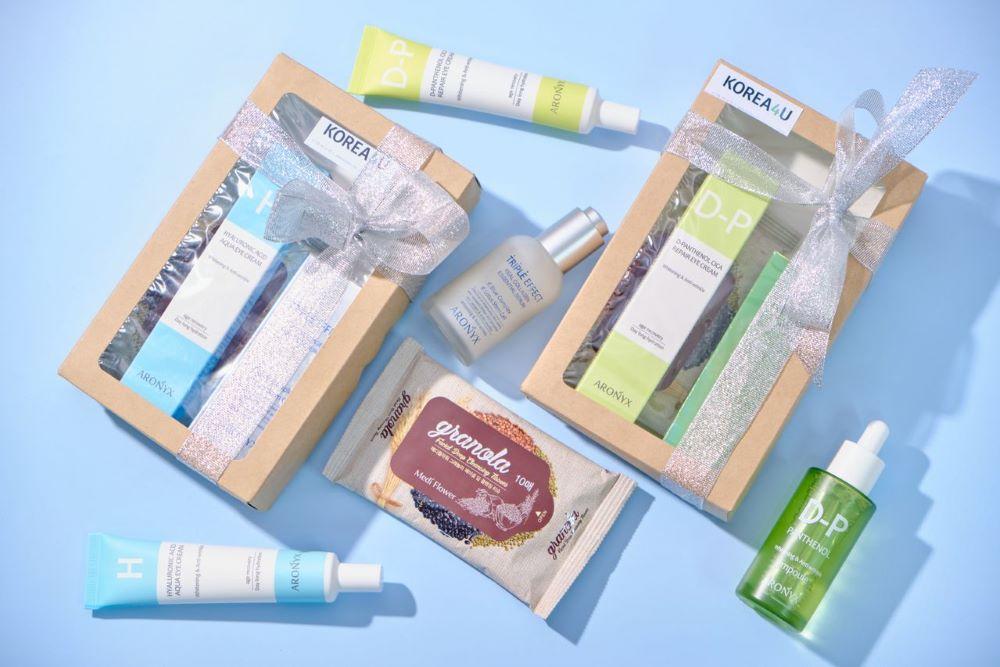
Saudi Arabia has quietly become one of the world's most consequential beauty markets. As demand accelerates and the Kingdom opens to foreign brands, Korean cosmetics companies are responding with clear intent. The K-beauty wave, already powerful in Asia and the West, is now setting course for the Kingdom, where conditions for long-term growth look strong.
A Beauty Market in Ascent
Saudi Arabia's beauty market is growing quickly and resetting what high growth in the category looks like. Saudi women are the most engaged users of makeup and fragrance in the region, and both the beauty and personal care segments are posting healthy double-digit growth — a split that shows how broad and deep consumer spending has become.
This reflects a structural shift, not a passing cycle. Roughly 70% of the population is under 30 — a demographic raised on digital access and willing to experiment with international brands — and Saudi consumers rank as the GCC's highest spenders on makeup. As women participate more actively in public life and the workforce, a product of ongoing social reform, beauty spending has evolved from a private activity into a visible, social one, meaningfully expanding the addressable market.
Why K-Beauty Is Well-Positioned to Win
Saudi Arabia imported $19 million of Korean cosmetics in 2021, and the figure has only grown as Korean cosmetic exports rose 20.3% year-on-year to $10.2 billion globally in 2024. The cultural tailwind is measurable: an April 2024 survey by Korea's Ministry of Culture, Sports and Tourism found 73% of KSA respondents interested in buying Korean products, and 65% reported rising interest in Korean cultural content year-on-year. This Hallyu effect creates an organic pathway to consumer attention, reducing the marketing spend usually needed to launch a new brand in the Kingdom.
K-beauty also carries a structural product advantage in Saudi Arabia: halal compatibility. Many Korean formulations are vegan and alcohol-free by design, aligning naturally with halal requirements without costly reformulation — a meaningful differentiator against European prestige brands, which often rely on alcohol-based carriers. Saudi Arabia commands the largest share of the GCC's $2.6 billion projected clean beauty industry, and the gap between halal certification and clean formulation is narrowing fast. K-beauty sits squarely in that overlap.
Local skincare concerns strengthen the fit further. Hydration, sun protection, and barrier repair — the pillars of Korean routines — speak directly to consumers facing year-round heat, intense sun, and the drying effects of air conditioning. This is a genuine match between what K-beauty does well and what KSA consumers actually need.
Three Ways In: How Korean Brands Are Approaching the Market
Korean brands are entering Saudi Arabia through three distinct routes, and the choice of route reflects a deliberate read of how the market operates:
- The franchise partnership model, exemplified by Nature Republic's 2018 entry via Fawaz Alhokair — one of the Kingdom's dominant franchise operators with deep mall access — trades margin for speed and reach, bypassing the years needed to build proprietary retail infrastructure. It reflects a practical reality: KSA's physical retail is controlled by a small number of powerful local operators.
- Prestige retail anchoring works most visibly through Sephora, which has built a significant presence in Saudi Arabia as part of its five-market GCC expansion. AmorePacific has used this channel systematically — placing Etude House and Innisfree from 2018, then adding Laneige via a formal Sephora partnership in 2023, with KSA a priority for expansion. Sephora's footprint within the mega-malls Saudis treat as primary social hubs makes it the most credible gateway for prestige positioning, with Tonymoly leveraging the same channel.
- Digital-first entry is pursued by CosRx, Beauty of Joseon, and Dear Klairs through K-Beauty Arabia, a dedicated e-commerce platform launched in 2019 that opened physical stores in 2023. It suits brands with established social followings, and Saudi Arabia's digital infrastructure is especially receptive — 99% internet penetration and social media users at 94.3% of the population, among the highest rates of online content consumption in the world. The entry of Korean ODM manufacturers Kolmar Korea and Cosmax into Saudi-specific product development signals a shift beyond opportunistic export into long-term commitment.
Still Room to Run: The Case for Long-Term Growth
Despite the entry activity, K-beauty's penetration remains very early stage. The 2021 import figure is a fraction of a market that reached $6.26 billion in 2025, underscoring the headroom still to capture, while European and American prestige brands continue to anchor the aspirational shelf. Several KSA-specific dynamics are converging to close the gap: a young demographic aging into peak spending years, a rapidly digitizing retail environment, and the adoption of GCC-harmonized cosmetics standards aligned with EU frameworks, which lowers the regulatory barrier to entry.
What sets Saudi Arabia apart from other emerging beauty markets is that demand already exists — expressed through social media, cultural consumption, and early adoption rather than waiting to be created. The brands best positioned to capture it localize with intent: halal-certified lines, climate-specific formulations, Arabic-language community building, and partnerships with local operators who understand the market. K-beauty's core philosophy — efficacy, innovation, and accessibility — fits what Saudi consumers want. The open question is how fast brands can execute, given that the market is already there.
Conclusion
Saudi Arabia is one of the most attractive untapped opportunities for K-beauty globally. Growing consumer spend, a digitally connected young population, measurable cultural affinity, a natural fit across skincare and halal formulation, and a retail landscape opening to new entrants combine in ways few markets can match. Brands that invest now — in localized distribution, Saudi-specific products, and community-driven marketing — are positioning themselves at the leading edge of a market with most of its growth still ahead.

Melwyn Viegas
