
How the Korean Wave Became India's Hottest Flavor Bet
Published on 29 Jun, 2026
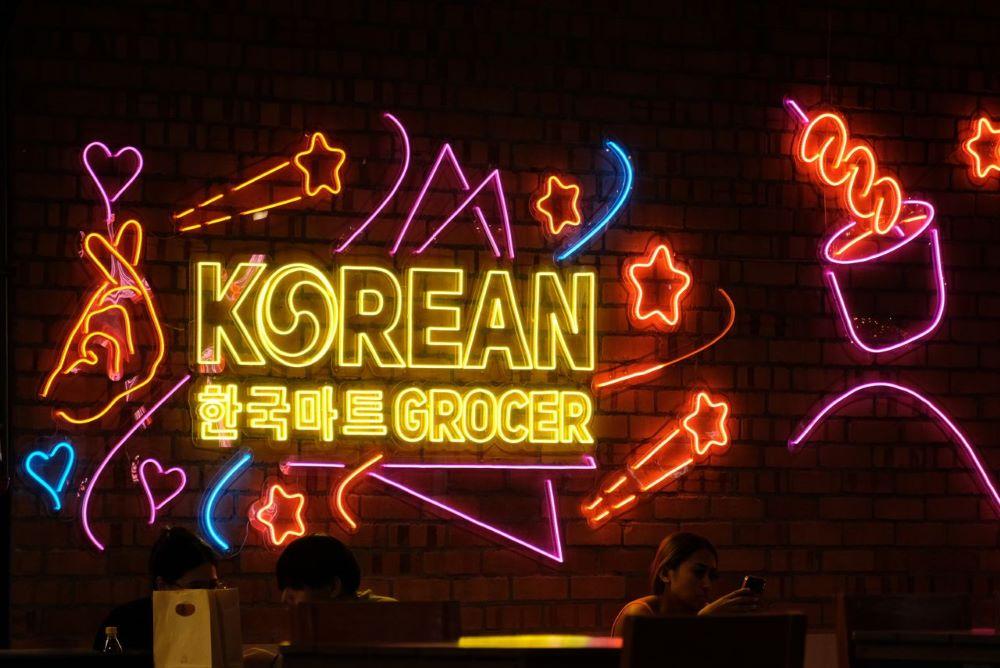
Korean food in India has graduated from a K-drama-fueled curiosity into a fast-scaling commercial category—spanning dedicated QSRs, mainstream menu launches, and a booming packaged-foods aisle. Here's how the boom took shape, who is winning, and why it still has room to run.
Introduction
A decade ago, finding authentic Korean food in India meant tracking down a handful of expat-favorite restaurants in Delhi or Mumbai. Today, gochujang sits on quick-service menus from McDonald's to Wendy's, Korean ramyeon is a quick-commerce best-seller, and a new generation of Korean QSRs is opening outlets across metros. What began as a cultural import—carried into India by K-pop and K-dramas—has matured into one of the most commercially compelling food stories in the market. For Korean manufacturers, FMCG majors, and foodservice operators alike, K-food has crossed the line from trend to category.
What is the K-Food Wave?
"K-food" refers to Korean cuisine and Korean-inspired flavor profiles—built around staples like gochujang (a sweet-spicy chilli paste), kimchi, bulgogi, and Korean fried chicken—as they enter a new market. In India, its rise is inseparable from "Hallyu," the Korean Wave of entertainment exports. K-dramas and K-pop built cultural familiarity first; the pandemic deepened it as home-bound consumers binged Korean content; and food became the next, most accessible way to participate in that culture. The commercial significance is that this is no longer about a niche of enthusiasts. It is a broad, young, urban consumer base—skewed toward millennials and Gen Z—willing to experiment, and willing to pay a premium for authenticity.
Key entry channels
K-food has entered India through three distinct routes, each with its own commercial logic:
- Mainstream QSR menu extensions: Established Western and Indian fast-food brands bolting Korean-flavored ranges onto existing menus as a low-risk innovation lever.
- Dedicated Korean restaurants and QSRs: From long-standing independent eateries to new, expansion-minded chains bringing standardized, authentic Korean formats to Indian cities.
- Packaged foods and retail: Instant noodles, condiments, and snacks sold through e-commerce and 10-minute delivery, increasingly the highest-volume channel.
What's driving the boom
Several converging forces are turning cultural affinity into repeatable purchase behavior:
Urbanization and rising food spend: Rapid urban migration is concentrating higher-income, time-poor consumers in metros and tier-1 cities. Urban India's annual per-capita consumption expenditure was about USD 2600 in 2024-25 and is expected to double and reach USD 5000 by 2030, with incremental spend flowing toward premium and experiential food occasions rather than staples.
A large, growing out-of-home audience: India's expanding base of frequent out-of-home and convenience-food consumers is precisely the cohort most open to novel global flavors—and most influenced by what they see online.
Cultural pull and social media: The Hallyu effect is amplified by mukbang videos, spicy-noodle challenges, and influencer-led discovery, which collapse the distance between watching Korean content and buying Korean food.
Quick-commerce as the route to market: Online grocery and rapid-delivery platforms—Amazon, Flipkart, BigBasket, and 10-minute apps—have made imported Korean SKUs available far beyond specialty stores, reshaping the economics of distribution.
Flavor compatibility: The Korean sweet-spicy-tangy profile maps neatly onto Indian taste preferences, lowering the adoption barrier for first-time triers.
Use Cases & Success Stories
K-food's commercial traction is visible across every layer of the value chain, from foodservice to FMCG shelves.
Mainstream QSR Lineups
This is where visibility and volume sit today, as established Western and Indian chains bolt Korean ranges onto their menus as a low-risk innovation lever—using K-flavours and K-drama-style marketing (anime films, ASMR, mukbang) to court younger diners. The most prominent launches are summarized below.
| Brand | Korean Offerings | Key Details |
|---|---|---|
| Wendy's | Korean Fried Chicken Burger, Kimchi Nuggets, Kimchi Tenders | Claims first QSR Korean range |
| McDonald's India | Korean McAloo Tikki, McSpicy variants, Korean spice mix, Yuzu-Fizz drink | Limited-time menu; builds on its global BTS Meal |
| Burger King | "Korean Spicy Fest" | Promotional festival to highlight its Korean-themed menu |
| KFC & Domino's | Korean-inspired items | K-flavours plus K-drama-style marketing (anime, ASMR, mukbang) |
Dedicated Korean QSRs
The standout is Seoul Dak, founded by South Korea-born operator Sean Lee, which opened its first Mumbai outlet in January 2025 and positions itself as India's first authentic Korean QSR. It has since expanded to Bandra, Pune, and Bengaluru, with stated targets of 25 outlets by end-2025 and 50 the following year—kept company-owned to protect authenticity. Its underlying thesis is telling: the market is crowded with operators claiming to be Korean while genuine experiences remain scarce. On the retail side, India-based marketplaces such as Korikart have emerged to supply Korean ingredients, condiments, and noodles directly to home cooks.
Packaged Foods & Retail
Both Korean importers and domestic FMCG majors are now active on the packaged-foods shelf, moving fast to ride the wave rather than cede it—the players below show the spread. Beyond noodles and snacks, demand is extending into condiments—gochujang pastes, ready marinades, and kimchi—and into Korean retail beverages such as banana milk and Milkis.
| Company / Brand | Origin | Korean Offering |
|---|---|---|
| Nongshim | Korean brand | Shin Ramyun |
| Samyang | Korean brand | Buldak fire noodles |
| Ottogi | Korean brand | Korean noodles and sauces |
| Nestlé — Maggi | Indian / MNC | Korean BBQ noodles |
| HUL — Knorr | Indian / MNC | "K-Culture" range (collaboration with Netflix’s Squid Game) |
| ITC — Bingo! | Indian / MNC | Korean-style chips |
| Veeba | Indian / MNC | "WokTok" premium line |
| Indo Nissin — Geki | Indian / MNC | Authentic Korean spice noodles |
| Wow! Momo | Indian / MNC | Cup noodles |
Conclusion
The K-food boom in India is not a passing fad; it rests on durable demand drivers—urbanization, rising out-of-home spend, and a deep cultural connection to Korea—and it is already commercially validated across foodservice and retail.
The opportunity now splits along two tracks. Mass-market "Korean-style" offerings will normalize and commoditize, while a premium tier will reward genuine authenticity—creating distinct openings for branded packaged entry, B2B ingredient supply to the QSR boom, and authentic-experience formats. For Korean food and ingredient companies willing to localize on price and double down on the real thing, the runway is long and the category is still early.
