
How Matcha from Japan Is Whisking Up a Buzz in India
Published on 16 Oct, 2026
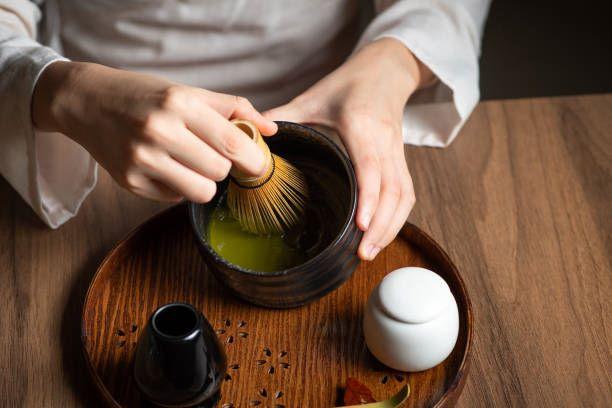
Matcha has gone from a niche wellness powder to a staple on the menus of India’s biggest coffee chains. Now it gets delivered within 10 minutes on grocery apps. Here is what is driving the shift, who is leading it, and why the real test now is finding enough genuine matcha to meet the demand.
A few years ago, matcha in India was a face pack ingredient and an ice cream flavor. Today, it sits on the menus of leading coffee chains like Starbucks; Tim Hortons; and Blue Tokai, is available in cans and sachets on quick-commerce applications, and even has its own tasting menu experience in Mumbai. What began as a social media wellness trend has become a real category, and brands across cafés, packaged drinks, and ingredients are now fighting for a share of it.
Instagram made it popular, and health will make it last
Matcha’s rise in India started on phone screens and not in cafés. On Instagram Reels and YouTube Shorts, it has a natural advantage over almost any other drink: its color. A bright green pour over white milk and ice makes a layered, two-tone glass that stands out in any feed. In a culture where food is photographed before it is eaten, matcha practically markets itself. Cafés have leaned in on this trend. Pastel green drinks, strawberry matcha layers, and mango matcha coolers are designed to be shared as much as sipped. Every post is free advertising, and every new flavor gives people a reason to post again.
If looks were the only reason, matcha would fade the way many food trends do. What gives it a longer life is that the health story holds up.
- Energy without the crash. Matcha contains caffeine alongside L-theanine, an amino acid that smooths out the caffeine hit. This means steadier focus and fewer jitters than many people get from coffee. A typical serving of matcha, prepared with 1–2 grams of powder, contains approximately 60–70 mg of caffeine.
- Rich in antioxidants. You consume the whole ground leaf rather than a steeped infusion, so you get more of green tea’s catechins, especially epigallocatechin gallate.
- Light and gentle. Matcha is less acidic than coffee, which makes it easier on sensitive stomachs.
These benefits line up with what younger urban Indians already want: cleaner energy, fewer calories, and drinks that fit a health-conscious routine. It is also the reason why chains are presenting matcha as an alternative to coffee rather than as a replacement.
Beverages lead India’s matcha wave
Beverages remain the most prominent application for matcha in India, with café chains and specialty beverage players driving adoption through matcha lattes, iced matcha, and flavored variants.
| Brand/chain | Offerings | Key Details |
|---|---|---|
| Starbucks India | Matcha Latte, Iced Matcha | Mainstream café positioning and matcha-led beverage offerings |
| Third Wave Coffee | Matcha Latte, Strawberry Matcha, Vanilla Matcha | Flavour-led innovation catering to evolving consumer preferences |
| Blue Tokai | Dirty Matcha | Fusion of matcha and espresso for specialty coffee consumers |
| Sleepy Owl | Matcha Latte, Matcha Premix | Convenient at-home consumption through ready-to-prepare formats |
| Boba Bhai | Matcha-based drinks | Integration of matcha into bubble tea and youth-oriented beverage offerings |
Japanese players set their sights on India’s growing matcha market
- Japanese brands are expanding India’s matcha ecosystem, with Shizuru introducing Japanese green tea through Ocha by Shizuru and indicating plans to bring matcha to Indian consumers, signaling growing interest in authentic Japanese offerings.
- ITO EN is strengthening its presence in India, establishing a local entity in 2026 and expanding its green tea portfolio, with plans to introduce additional variants, creating a potential pathway for Japanese matcha products.
Matcha moves beyond the cup
Matcha is increasingly moving beyond beverages in India, gaining traction across packaged snacks, chocolates, confectionery, and indulgent formats. Global brands such as Pocky and KitKat offer matcha-flavored products, while the Japanese brand Meiji and Indian premium chocolate brand Manam have introduced matcha chocolates. The trend is also extending into indulgent offerings, including Minus 30’s matcha gelato and matcha-based desserts at Mumbai cafés such as Pa Pa Ya. At the same time, Indian brands such as Sleepy Owl are broadening matcha consumption through ready-to-drink and at-home matcha latte formats. Together, these developments suggest that matcha is evolving from a niche beverage ingredient into a broader flavor platform across India’s food and beverage market.
43x in three years: India is buying matcha like never before
India’s matcha as an ingredient imports grew from about USD 37,000 in 2022 to roughly USD 1.6 million in 2025, a 43-fold jump in just three years at a CAGR of 250%, which puts matcha among the fastest-growing food and beverage imports in the country. The growth tracks the drink’s move into the mainstream. As national coffee chains added matcha to their permanent menus, and packaged brands launched cans and premixes, the demand shifted from small specialty orders to regular bulk buying.
Supply is tight, and prices are rising
Matcha’s growing popularity is creating a supply challenge. High-quality matcha is produced primarily in a few regions of Japan, where production is highly time-intensive. The tea leaves are shade-grown, hand-picked, and traditionally stone-ground, making it difficult to increase production quickly. As global demand surged in 2024–25, Japanese producers faced tighter supply, contributing to higher prices and greater export constraints. For Indian buyers, this has translated into higher input costs and greater uncertainty around supply. Cafés and other F&B players are responding by strategically using different grades, with culinary-grade matcha used in flavored drinks and other high-volume applications, while higher-grade matcha is reserved for signature matcha lattes, traditional matcha beverages, and premium desserts. As supply remains tight, brands with established supplier relationships and diversified sourcing strategies are likely to be better positioned to manage future shortages and price volatility.
From a trend to a habit, matcha is here to stay
India’s matcha story is still early, but the signs are clear: rising imports, permanent menu listings, and new formats arriving every few months. Matcha is no longer a niche wellness drink. It is becoming a flavor platform. The brands that invest in quality, steady supply, and consumer education today will shape the category for the next decade. India’s growing matcha market presents an opportunity for Japanese producers and exporters to establish an early foothold through two complementary routes: supplying Indian F&B brands and launching their own differentiated offerings. While partnerships can help scale matcha across cafés, beverages, chocolates, and desserts, branded products can capture the demand for authentic Japanese matcha through distinctive formats, premium positioning, and Japanese-origin storytelling. By offering products across price points and investing in consumer education, Japanese players can build both market reach and long-term brand equity.
