
GLP-1 Effect on MedTech and Care Delivery: Why This is No Longer Just a Drug Story
Published on 12 Oct, 2026
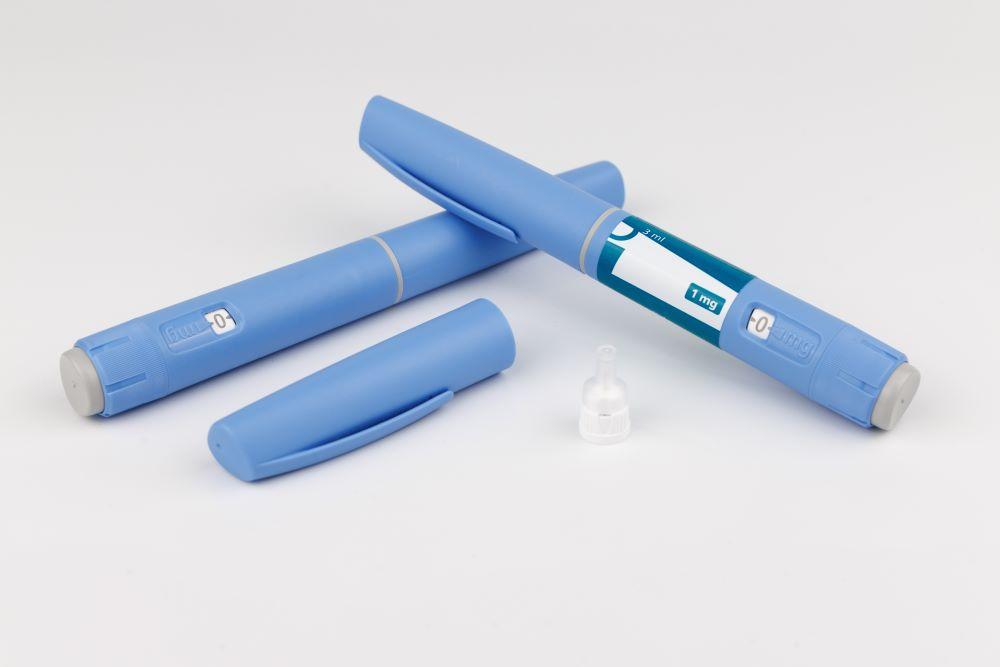
GLP-1 therapies are no longer just changing how obesity is treated. They are beginning to change how healthcare is organized around it. For MedTech, the real disruption is not whether a drug replaces a procedure but rather how it redraws the pathway among prevention, monitoring, intervention, and long-term care. The companies that consider GLP-1 as a force reshaping the architecture of care rather than as a threat to the existing care categories will likely emerge as the winners.
Few developments in healthcare have moved from specialist conversation to boardroom issue as rapidly as glucagon-like peptide-1 (GLP-1)-based obesity therapies. What began as a breakthrough drug class for diabetes and weight management is now forcing a much broader strategic rethink across healthcare. MedTech companies, providers, payers, and care delivery platforms are confronting the same question: what happens when obesity treatment begins to alter the demand curve for entire categories of care?
The answer is more complex than what early market reactions suggested. While GLP-1 therapies are powerful, clinical studies and regulatory milestones show that these therapies can lead to substantial weight loss and reduce the risk of major health complications linked to obesity. In the 2023 Semaglutide Effects on Cardiovascular Outcomes in People with Overweight or Obesity (SELECT) trial, semaglutide reduced major adverse cardiovascular events (MACE) in patients who were overweight or obese and caused cardiovascular disease in those without diabetes. In December 2024, the FDA approved tirzepatide as the first medication for moderate to severe obstructive sleep apnea in adults with obesity, extending the logic of GLP-1s beyond weight management to a disease area long associated with devices and procedural care.
However, a key challenge is limited access. In late 2025, the World Health Organization (WHO)w stated that even with expanding production, GLP-1 therapies were projected to reach fewer than 10% of those who could benefit by 2030. In April 2026, Eli Lilly’s chief executive shared that only 10% of eligible patients are using weight loss drugs at present and suggested that long-term uptake may top out at roughly 40–50% of the addressable population. This means the future is not one in which GLP-1s simply eliminate the obesity-related disease burden overnight. Rather, it is one in which they may begin to selectively reshape it.
This distinction matters enormously for MedTech. The strategic question is no longer whether GLP-1s will affect the industry, as they already have. The real questions are: 1) where will they compress the demand and create new demand? and 2) how will they redraw the care pathways that devices and services have historically depended on?
Beyond Just a Drug Story
The crucial shift is conceptual. GLP-1s do not behave like a narrow therapeutic innovation. They act more like a system-level intervention with spillover effects across diagnostics, monitoring, surgery, sleep medicine, orthopedics, cardiometabolic care, and digital health.
This is why strategy firms and market observers have stopped treating GLP-1s as a pharma-only story. Strategy& argues that the class is influencing MedTech through segment variability, new revenue opportunities, and a broader shift toward prevention. Similarly, BCG frames GLP-1s as a force that could reshape the demand for devices and services by reducing the burden of obesity-linked complications while changing where and how patients engage with care.
The underlying public health need is large enough to make this credible. WHO states that around 16% of adults worldwide were living with obesity in 2022 and that the prevalence has more than doubled since 1990. In a healthcare system facing immense pressure due to chronic diseases, it is evident that a therapy that can materially help a patient reduce weight and influence cardiovascular, metabolic, and sleep-related outcomes will not remain confined to one category for long.
Impact Likely to be Uneven and Strategic
One of the massive oversights in the early GLP-1 conversation was the assumption that MedTech would experience a broad, uniform demand shock, as this is unlikely. The effect is expected to be highly uneven by segment.
Some categories are clearly more exposed. Bariatric surgery is an obvious example because GLP-1s offer a less invasive alternative for many patients who may have otherwise considered surgery. Sleep apnea is another closely watched segment. Tirzepatide’s FDA approval for obstructive sleep apnea in adults with obesity made it evident that a category long anchored in continuous positive airway pressure (CPAP), masks, diagnostics, and procedural interventions may increasingly have to coexist with, or adapt to, pharmacologic treatment. Similarly, AlphaSense’s 2026 MedTech trends report identifies bariatric surgery, type 2 diabetes devices, and sleep apnea devices as among the most heavily affected categories.
Notably, exposure differs from collapse. The issue is more nuanced, even in sleep apnea. FDA’s tirzepatide approval does not mean that CPAP becomes irrelevant, as sleep apnea is not solely caused by weight issues. Many patients will need diagnosis, monitoring, and non-drug therapy. Recent analyses have argued that broader screening and awareness could expand diagnosis, creating a more complicated market dynamic than a simple substitution effect.
Orthopedics is more complicated than headline anxiety suggests. Weight loss is likely to reduce the long-term disease burden in some obesity-linked musculoskeletal conditions. However, emerging studies suggest that GLP-1 use prior to joint procedures may improve perioperative outcomes, including lower readmission and sepsis risk in total joint arthroplasty populations. These studies do not highlight the disappearing procedural need; they point to a different clinical profile of the patient arriving for intervention.
This is why the GLP-1 effect on MedTech is strategic rather than merely defensive. It does not create a single winner and loser map. It forces companies to resegment their markets based on which needs are deferred, reduced, or enhanced by better pre-procedure preparation and which new services become necessary to support long-term treatment.
Bigger Disruption May be in Care Delivery, Not Device Utilization Alone
The more profound implication may lie outside the device. GLP-1s are beginning to change the architecture of care delivery.
Historically, obesity care was fragmented, episodic, and often deprioritized. The new GLP-1 landscape is pushing it toward a more longitudinal model built around eligibility assessment, prescribing, prior authorization, nutrition support, adherence management, side effect monitoring, and long-term behavior change. This is not just a pharmaceutical supply chain; rather, it is a care delivery model.
Recent moves in the market indicate this. In April 2026, Walmart announced its plan to expand its Better Care Services platform with new weight management offerings that combine virtual care, nutrition support, and pharmacy access for people exploring or using GLP-1s. Axios reported that Walmart is explicitly trying to become a platform for “life on GLP-1s” rather than a dispenser of prescriptions. Reuters reported how telehealth and consumer health platforms such as Hims, Ro, and others are trying to position themselves around obesity care access, coverage navigation, and sustained engagement.
This matters for MedTech because a therapy that moves obesity treatment to a more continuous, digitally supported, consumer accessible pathway can change where devices fit. Monitoring, remote engagement, connected coaching, nutrition support, metabolic screening, body composition tracking, sleep assessment, and cardiovascular risk management are all likely to become more embedded into the drug journey. In other words, GLP-1s may reduce the demand in some legacy categories while creating a richer service environment in adjacent ones.
Prevention is Becoming Commercially Relevant, Not Just Clinically Desirable
For years, healthcare leaders discussed moving from sick care to preventive care. GLP-1s are one of the few developments making this shift commercially tangible.
BCG notes that GLP-1s are helping MedTech confront a future with fewer obesity- and diabetes-related complications. Strategy& goes further, arguing that the class may accelerate the transition from traditional MedTech toward a broader “welltech” model centered on prevention, consumer engagement, and longitudinal health management. This is not just a branding exercise. It reflects a real strategic tension. Many device companies were built to serve downstream disease burden. GLP-1s raise the possibility that a portion of that burden can be modified earlier.
However, this does not imply that prevention will shrink the overall industry. It may simply reward different business models. If obesity is increasingly treated as a chronic condition managed over years, the value may shift toward solutions that help stratify risk, support adherence, manage side effects, track cardiometabolic response, and integrate patients into broader preventive care pathways. that sit only in end stage intervention markets may feel exposed, while those that can extend upstream into monitoring, coaching, digital support, or earlier risk management may be better positioned.
The Economics Are as Powerful as the Frictions
Any serious article on GLP-1s must acknowledge the contradictions: while the clinical and commercial momentum is undeniable, so are the constraints.
In February 2026, Reuters reported that analyst forecasts for the obesity drug market, once as high as $150–$200 billion in the early 2030s, tightened to approximately $100 billion around 2030, with some of the Device makers bigger expectations pushed further out. This does not mean the market is small. It means the industry is facing the harsh realities of pricing, manufacturing, competition, and access.
Coverage remains one of the major bottlenecks. In December 2025, Reuters reported that WHO warned that access would remain limited, and broader public coverage debates have become more intense as costs rise. A Reuters report in April 2026 indicated that US states restricted Medicaid coverage due to mounting spending pressures. The same article noted that spending on GLP-1s had increased from $13.7 billion in 2018 to $71.7 billion in 2023. The implication is stark: therapies can be transformative and still fail to evenly scale if the financing model cannot support them.
This is strategically important for MedTech because it limits simplistic forecasts. If the uptake is uneven by income, payer type, geography, and channel, then the device demand will also shift unevenly. Some populations may quickly move toward drug supported weight management, while others may remain dependent on traditional procedural or device-based pathways. The result would not be one new equilibrium but rather a patchwork of them.
Oral GLP-1s Could Push the Next Phase of Disruption
Oral formulations may reveal the next inflection point. In April 2026, Reuters reported that Eli Lilly’s new oral weight loss drug had entered the market, while oral semaglutide was also gaining traction. IQVIA’s 2026 obesity outlook argues that oral GLP-1s represent a structural shift in how obesity can be treated and scaled, while PwC notes that oral options may broaden patient acceptance and engagement.
If injectable GLP-1s raised strategic questions for MedTech, oral agents could intensify them. An oral format has the potential to widen access, lower psychological barriers, and make obesity treatment feel less like specialty intervention and more like mainstream chronic therapy. This would further strengthen the move toward platform-based, longitudinal care and could gradually increase the pressure on downstream intervention categories.
The real question for MedTech is not whether GLP-1s are a threat. It is whether the industry is framing the change correctly.
If MedTech sees GLP-1s only as a source of utilization erosion, it may respond rigidly. The better view is that GLP-1s are redistributing value across the care continuum. Some businesses will face real pressure, especially when their economics depend on obesity-related disease burden remaining untreated until the later stages. However, other opportunities are likely to expand in diagnostics, remote care, metabolic monitoring, sleep assessment, cardiovascular surveillance, and digital support models that make long-term obesity care work in practice.
The intriguing strategic shift is that GLP-1s are making obesity management look less like a one-off intervention and more like a managed ecosystem. This ecosystem needs assessment, adherence, triage, risk tracking, patient support, and long-horizon outcomes management. In healthcare, when the pathway changes, the device landscape rarely stays the same.
Final Thoughts
The GLP-1 effect on MedTech and care delivery is not a simple substitution story. It is a structural story about how a powerful therapeutic class begins to reshape clinical pathways, economic incentives, and the balance between prevention and intervention. Some device categories will feel direct pressure, while others may prove more resilient than the investors first assumed. In addition, others may find new relevance as obesity care becomes more continuous, data-driven, and integrated with broader chronic disease management.
GLP-1s are changing more than the treatment choice; they are changing expectations, which makes this moment consequential. Patients increasingly expect obesity care to be accessible, longitudinal, and supported beyond the prescription. Providers are being pushed toward new care models. Retail, virtual, and consumer health platforms are racing to own the surrounding experience. MedTech must now decide where it belongs in this new architecture. This is why this is no longer just a drug story. It is a story about who captures value when healthcare begins to treat obesity not as a side issue but rather as a modifiable driver of downstream disease. For MedTech companies, the winners will not be the ones that merely defend yesterday’s care categories. They will be the ones that recognize early that GLP-1s are redrawing the map of care.
