



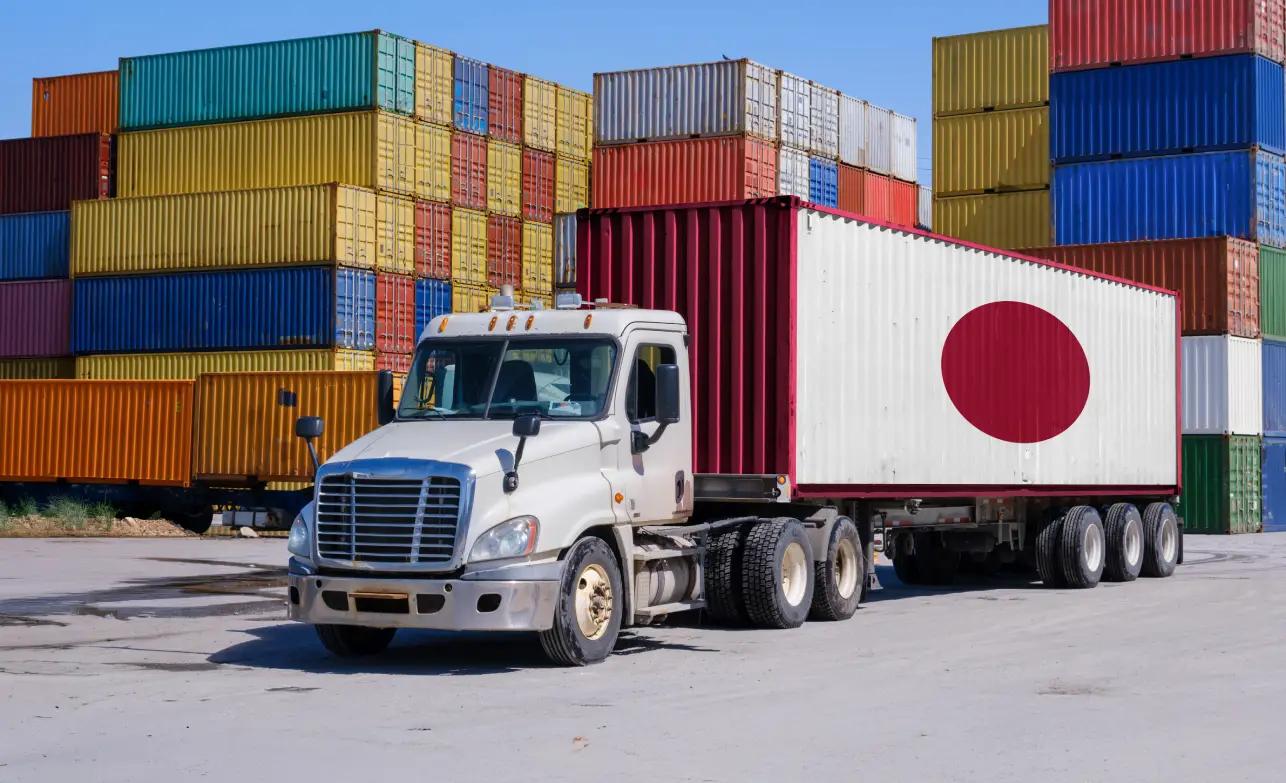
As Japanese companies continue to expand their presence in global markets, understanding international regulations has become an essential part of export strategy. Trade policies, environmental regulations, digital compliance frameworks, and supply chain transparency requirements are evolving rapidly across major economies.
In 2026, exporters from Japan must navigate a complex regulatory landscape shaped by geopolitical tensions, sustainability policies, and stricter compliance standards. Governments across North America, Europe, and Asia are strengthening oversight of cross-border trade, requiring businesses to ensure their products, operations, and supply chains meet a wide range of international requirements.
For Japanese exporters, the ability to monitor regulatory changes and adapt compliance strategies accordingly is critical for maintaining market access and protecting long-term competitiveness. This article explores the major regulatory trends influencing Japanese exporters in 2026 and provides guidance on how companies can successfully navigate international trade compliance.
The Global Regulatory Environment in 2026
International trade regulation has become significantly more complex in recent years. Governments are introducing policies aimed at protecting domestic industries, enforcing sustainability standards, and improving transparency in global supply chains.
For Japanese exporters, several global regulatory trends are shaping trade conditions in 2026.
Key trends include:
- Increased environmental and carbon reporting requirements
- Stricter supply chain transparency regulations
- New digital trade and data governance laws
- Expanded product safety and certification standards
- Greater scrutiny on import compliance and customs documentation
These developments mean that exporting products internationally now requires more extensive regulatory planning than in previous decades.
Japanese companies that track international policy developments and integrate compliance planning into their export strategies are better positioned to minimize risk and maintain uninterrupted market access.
Environmental and Sustainability Regulations
Environmental regulations are one of the most significant policy areas affecting Japanese exporters today. Many countries are implementing sustainability-focused regulations that directly influence global trade.
For example, the European Union's Carbon Border Adjustment Mechanism (CBAM) is introducing carbon reporting requirements for imported goods. This policy aims to ensure that imported products meet similar environmental standards as those produced within the EU.
Industries that may be affected include:
- Steel and metals
- Cement and construction materials
- Chemicals and fertilizers
- Energy intensive manufacturing sectors
Japanese exporters supplying these industries must monitor carbon emissions reporting requirements and prepare to comply with environmental documentation obligations.
Similarly, countries are introducing stricter rules related to:
- Recycling standards
- Packaging waste regulations
- Energy efficiency requirements
- Sustainable sourcing practices
Companies that proactively address sustainability regulations can improve their global reputation while reducing regulatory risk.
Supply Chain Transparency and Due Diligence Laws
Another important development in international trade is the growing focus on supply chain transparency. Governments are introducing laws that require companies to demonstrate responsible sourcing practices and ensure ethical labor standards throughout their supply chains.
These regulations often require companies to verify that their suppliers do not engage in practices such as forced labor or environmentally harmful operations.
Examples of supply chain transparency regulations include:
- EU Corporate Sustainability Due Diligence Directive
- U.S. Uyghur Forced Labor Prevention Act
- Modern Slavery reporting requirements in multiple countries
Japanese exporters must increasingly document supplier relationships and demonstrate compliance with responsible sourcing policies.
Companies that implement strong supplier monitoring systems and transparent procurement practices will be better prepared to meet international compliance expectations.
Digital Trade and Data Governance Regulations
The digital economy is also influencing international trade policy. As companies rely more heavily on digital platforms and data-driven business models, governments are introducing new regulations governing cross-border data transfers and digital services.
Key areas of digital trade regulation include:
- Data privacy and protection laws
- Cross-border data transfer restrictions
- Cybersecurity compliance standards
- Digital services taxation
For example, the European Union's General Data Protection Regulation (GDPR) continues to influence how companies collect and process customer data globally. Companies exporting digital services or operating online platforms must ensure compliance with these requirements.
Japanese exporters offering software, technology solutions, or digital services must understand how international data governance rules affect their operations.
Product Safety and Certification Requirements
Product safety regulations remain one of the most critical aspects of international trade compliance. Many countries require imported products to meet strict safety and quality standards before entering the market.
Examples include:
- CE certification requirements in the European Union
- FDA regulatory approval in the United States
- Electrical safety standards in global electronics markets
- Automotive safety regulations in international vehicle markets
These standards ensure that products meet safety benchmarks and protect consumers from defective or harmful goods.
Japanese companies exporting technology products, machinery, medical equipment, or consumer electronics must ensure that their products undergo the required certification processes.
Failure to meet certification standards can result in delayed shipments, product recalls, or market entry restrictions.
Trade Agreements and Tariff Changes
Trade agreements also play a significant role in shaping export conditions for Japanese companies. Free trade agreements help reduce tariffs and improve market access for exporters.
Japan participates in several major trade agreements, including:
- Comprehensive and Progressive Agreement for Trans-Pacific Partnership (CPTPP)
- Regional Comprehensive Economic Partnership (RCEP)
- EU-Japan Economic Partnership Agreement
These agreements create opportunities for Japanese exporters by lowering tariffs and simplifying trade procedures.
However, trade agreements also require companies to meet specific rules of origin and documentation standards. Businesses must ensure that their products qualify for preferential tariff treatment under each agreement.
Companies that understand how trade agreements influence tariff structures can optimize export strategies and improve cost competitiveness.
Strategies for Japanese Exporters to Navigate Regulatory Complexity
Given the complexity of international regulations, Japanese exporters must develop structured compliance strategies.
Key actions include:
- Monitoring global regulatory developments regularly
- Conducting compliance risk assessments before entering new markets
- Establishing internal trade compliance teams
- Implementing supply chain transparency systems
- Working with regulatory and market intelligence specialists
Many companies also invest in digital compliance platforms that track regulatory updates across multiple jurisdictions.
Developing strong compliance capabilities allows organizations to respond quickly to regulatory changes and avoid disruptions in export operations.
Also Read: Key Strategies For Japanese Companies to Expand InternationallyThe Role of Market Intelligence in Regulatory Compliance
Market intelligence plays an important role in helping companies stay ahead of regulatory changes. Understanding how policies evolve across global markets enables exporters to plan effectively and anticipate compliance requirements.
Market intelligence helps businesses:
- Identify regulatory trends early
- Evaluate potential policy impacts on export strategies
- Monitor changes in import requirements
- Understand competitor compliance strategies
Companies that integrate regulatory monitoring with strategic planning are better positioned to adapt to evolving global trade conditions.
Conclusion
International regulations are becoming increasingly complex as governments seek to address sustainability challenges, protect domestic industries, and ensure transparency in global supply chains. For Japanese exporters, these developments create both challenges and opportunities.
Organizations that understand regulatory trends and proactively adapt their compliance strategies can maintain access to global markets while strengthening their reputation as responsible business partners.
By investing in regulatory monitoring, supply chain transparency, and strategic planning, Japanese companies can successfully navigate the evolving global trade landscape in 2026 and beyond.